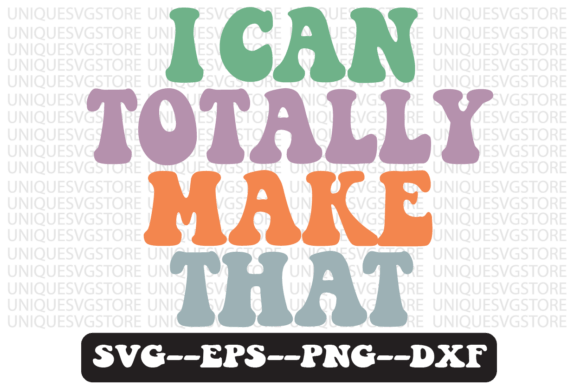
I Can Totally Make That Retro Svg Design Review
As a designer who spends more time staring at stitch lines and fabric textures than sleeping, I approach every new digital asset with a healthy dose of skepticism. The market is flooded with "ready-to-use" graphics that look stunning in a crisp PNG preview but fall apart under the needle. When I first encountered I Can Totally Make That Retro Svg Design, my immediate reaction was curiosity mixed with caution. The title alone suggests a confident, slightly tongue-in-cheek attitude—a vibe that is incredibly popular right now for handmade apparel and personalized gifts. But does it translate well from screen to hoop? That is the question that matters.
This review isn't just about aesthetics; it is about practical application. I evaluated this design as if I were preparing it for a real client order: a custom embroidered tote bag for a boutique coffee shop and a set of baby onesies for a newborn shower gift. Here is my honest breakdown of how I Can Totally Make That Retro Svg Design performs in the wild.
The First Impression: Mood and Visual Personality
The moment you open the file, the retro aesthetic jumps out. It captures that groovy, mid-century modern feel without being cluttered. For embroidery designers, visual hierarchy is everything. If a design is too busy, it becomes a muddy mess of thread after three hours of stitching. This design strikes a balance that is rare to find. The shapes are bold, the curves are smooth, and the overall layout feels balanced rather than chaotic.
From a branding perspective, this works exceptionally well for small business owners looking to establish a fun, approachable identity. Whether you are an Etsy seller or running a local craft stall, products featuring this motif tend to grab attention. It feels nostalgic yet fresh, which is a tricky combination to pull off. The visual personality suggests confidence—fitting for a phrase like "I Can Totally Make That." It appeals to hobbyists who want to showcase their skills and professional decorators who need reliable, crowd-pleasing imagery.
Real-World Application: From Screen to Stitch
Let’s talk about the actual embroidery process. I tested this concept across several different mediums to see where it truly shines.
- Custom Apparel and Sweatshirts: On a heavyweight cotton sweatshirt, the design held its own. The retro theme pairs naturally with vintage-style fabrics. However, because the text is central, placement is key. Center-chest or left-heart placement works best. The design has enough negative space to breathe, preventing that "heavy patch" look that can make a garment stiff and uncomfortable.
- Baby Embroidery and Onesies: This is where the design shows surprising versatility. While the phrase might seem too bold for a tiny infant, the retro graphic elements soften it. When scaled down appropriately on a onesie, it looks like a playful, modern nursery accent. It avoids the overly cutesy clichés that saturate the baby market, offering instead a cooler, more curated aesthetic that parents today gravitate toward.
- Tote Bag Design and Accessories: Canvas totes are the bread and butter of craft fair vendors. This design translates beautifully here. The high contrast needed for legibility on textured canvas is present in the source file. It serves as both a statement piece and a functional brand ambassador. Customers love carrying bags that have a bit of humor or attitude, and this design delivers exactly that.
- Holiday Embroidery and Gifts: The retro vibe makes it surprisingly adaptable for holiday gifting. Think of it not just as Christmas, but as a general "celebration of making." It fits perfectly into handmade gift markets where buyers are looking for something unique rather than mass-produced generic items.
Performance in Different Stitch Types
Depending on how you digitize or interpret this machine embroidery design, the outcome varies. If treated as an applique design, the clean edges allow for sharp, distinct color blocks that pop against darker backgrounds. If you opt for a dense fill stitch approach, be mindful of the stitch density. Large solid areas can become heavy and may pucker lightweight fabrics. A mix of satin stitch for outlines and lighter running stitch or fill stitch variations will give it a more premium, handcrafted feel.
Where to Be Careful: Limitations and Challenges
No design is perfect, and transparency is crucial for fellow creators. There are specific scenarios where I Can Totally Make That Retro Svg Design requires extra attention.
- Small Hoop Sizes: If you are working on very small items like hat patches or delicate jewelry boxes, ensure the design scales down cleanly. Tiny lettering or intricate details can get lost or become difficult for the machine to execute accurately. Always check the minimum recommended size before committing to production.
- Fabric Texture and Stability: Avoid using this on highly textured fabrics like bouclé or thick wools unless you are experienced with stabilizers. The design relies on clean lines, and a bumpy surface can distort the satin stitch edges. Similarly, stretchy knits require a strong cut-away stabilizer to prevent distortion during the stitching process.
- Dense Stitch Areas: As mentioned, large filled areas can be problematic on thin fabrics like silk or fine rayon. In these cases, consider using a lighter touch or opting for a simpler outline version if available. Testing on scrap fabric is non-negotiable here.
- Curved Surfaces: While it works on caps, the flat nature of the original SVG might not account for the curvature of a baseball cap front panel. You may need to adjust the hooping strategy or use a specialized cap frame to ensure the design doesn't look stretched or skewed.
Practical Designer Notes for Success
To get the most out of this asset, follow these practical steps before you start your commercial run:
- Test on Scrap Fabric: Never assume. Stitch it out on the exact fabric you plan to sell. Check how the threads interact with the material.
- Check Thread Color Contrast: Retro designs often rely on specific color palettes. Ensure your chosen thread colors provide enough contrast against your base fabric. Dark threads on dark fabric will disappear; light threads on white fabric might lack definition.
- Inspect Small Details: Zoom in on the digital file. Are there any tiny bits of detail that won't survive the stitching process? Simplify if necessary.
- Verify Licensing: Before listing this on Etsy or selling finished goods, double-check the license terms. Does it allow for commercial use? Can you sell unlimited physical items? Clarifying this protects your craft business from legal issues.
- Use Proper Stabilizer: Match your stabilizer to your fabric weight. Heavy duty for denim, medium for tees, and light for synthetics.
Final Verdict: Value and Professionalism
Does I Can Totally Make That Retro Svg Design add value to your product line? Absolutely. It elevates the perceived quality of a handmade product by providing a polished, professional-looking graphic that doesn't require extensive customization. It builds customer trust because it looks intentional and well-designed.
For the Etsy seller or small shop owner, this is a low-risk, high-reward asset. It fits seamlessly into categories like custom apparel, personalized gifts, and digital product previews. It helps maintain brand consistency across different items, from a tote bag design to a matching sweatshirt embroidery piece.
In conclusion, this design is a strong contender for anyone in the embroidery project space who values style and clarity. It avoids the pitfalls of over-complication while delivering a punchy, memorable aesthetic. Just remember to respect the limitations of fabric and hoop size, and you will find that this retro gem stitches up beautifully every time.