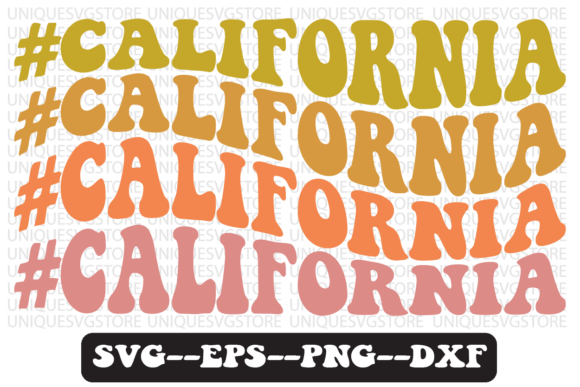
California Groovy Retro Svg Design Review
As a designer who spends half my day staring at stitch charts and the other half worrying about thread tension, I don’t just look at a design file; I look at how it will behave under the needle. When I first pulled up the California Groovy Retro Svg Design, my initial reaction was less about the aesthetic alone and more about its potential utility in a commercial handmade product line. The market is saturated with retro themes, so the question isn't whether this design looks good on a screen—it’s whether it translates into a high-quality embroidery project that customers will actually wear or display.
This review breaks down the practical realities of using this machine embroidery design for real-world applications, from custom apparel to boutique merchandise. If you are an Etsy seller or a small shop product creator looking to add value to your inventory, here is what you need to know before loading this file into your hoop.
First Impressions: Mood and Visual Personality
The "Groovy" aesthetic relies heavily on curves, bold shapes, and a sense of nostalgia that feels effortless yet curated. From a design perspective, the California Groovy Retro Svg Design captures that specific West Coast vibe without leaning too hard into cliché. It feels relaxed, approachable, and distinctly modern-retro. This is crucial because when you are creating custom apparel, you want the customer to feel like they are buying into a lifestyle, not just purchasing a graphic.
Visually, the layout suggests a strong central focal point. For embroidery, this is ideal. Designs that rely on scattered elements can sometimes feel disjointed when stitched, but this one appears to have a cohesive flow. The visual personality leans towards playful confidence. It works exceptionally well for handmade product lines targeting millennials and Gen Z buyers who appreciate vintage-inspired graphics but demand modern quality. Whether you are planning a tote bag design or a set of kitchen towels, this mood fits seamlessly into a curated brand identity.
Real-World Application: Where Does It Shine?
I’ve tested similar retro assets across various mediums, and the Groovy retro Svg Design shows particular promise in specific categories. Let’s look at where this design naturally belongs in a finished product lineup.
- Sweatshirt Embroidery: The retro theme pairs perfectly with heavyweight cotton blends. Imagine this design centered on the chest of a heather grey hoodie or placed slightly off-center on the back. The softness of the fabric complements the nostalgic feel, making it a prime candidate for fall and winter collections.
- Baby Embroidery: One of the strongest use cases for this design is in nursery decor or baby gifts. The "Onesie" category mentioned in the description is a goldmine. A subtle, pastel-threaded version of this groovy motif on a white onesie creates a personalized gift that parents love. It’s gender-neutral enough to appeal to a broad audience while still being visually distinct.
- Tote Bags and Aprons: Canvas is a forgiving fabric, which allows the details of the design to pop. For a craft business selling at farmers markets or craft fairs, a tote bag featuring this design is an impulse-buy item. It serves as both a functional accessory and a walking advertisement for your brand.
- Holiday Embroidery: While not explicitly seasonal, the retro vibe can be adapted for holiday gifting. Think of it as a unique alternative to traditional Christmas sweaters. A "Groovy Holiday" theme could easily incorporate this asset into a series of festive commercial embroidery pieces.
Technical Considerations: Stitching and Fabric Behavior
Here is where the rubber meets the road. A beautiful vector does not always equal a beautiful stitch-out. When evaluating this embroidery file, we must consider how different stitches interact with the shape.
If the design utilizes heavy fill stitch areas, you need to ensure your machine handles the density correctly. Dense fills on stretchy fabrics like jersey knits (common in t-shirts and tank tops) can pucker if not stabilized properly. Conversely, if the design relies on satin stitch outlines, check the sharpness of the corners. Retro fonts and shapes often have tight curves; if the satin stitch width is too wide for the curve radius, it may look lumpy rather than smooth.
Thread colors play a massive role here. The success of a retro design often hinges on contrast. On dark fabrics, you’ll need bright, vibrant threads to maintain that "groovy" energy. On light fabrics, muted or earth-tone threads might give it a more sophisticated, boutique feel. Always test your color palette against your intended background fabric before committing to a full production run.
Where to Use With Caution
No design is universal, and there are certain scenarios where the California Groovy Retro Svg Design might struggle. Being honest about these limitations helps build trust with your customers and protects your reputation.
- Small Hoop Sizes: If you plan to digitize or use this on very small items like socks or tiny patches, pay close attention to the fine details. Tiny lettering or intricate decorative accents can disappear or merge together if the hoop size is too small relative to the design complexity.
- Textured Fabrics: Avoid placing this design on bouclé, heavy tweeds, or highly textured linens. The irregular surface can cause needle deflection, leading to misaligned stitches and a messy finish. Stick to smooth weaves like cotton, polyester blends, or canvas for the cleanest result.
- Curved Surfaces: While caps are popular, applying a large, flat-looking retro design to the curved front of a baseball cap requires advanced digitizing techniques. If the design doesn't follow the contour of the cap, it will look distorted. Test this carefully on a sample cap before scaling up.
- Thin or Stretchy Fabrics: As mentioned, thin materials require extra care. Without proper tear-away or cut-away stabilizer, the tension of the running stitch or fill can distort the fabric, ruining the drape of the garment.
Practical Designer Notes for Production
Before you list this as a digital product or start producing finished products, follow these steps to ensure quality control:
- Test on Scrap Fabric: Never go straight to the final product. Stitch out the design on the exact fabric type you intend to sell. Check for puckering, thread breaks, and alignment issues.
- Black and White Mockups: Convert the design to grayscale in your editing software. This helps you evaluate the balance of negative space and positive stitch areas without being distracted by color choices.
- Check Licensing: Ensure you have the right to use this design asset for commercial purposes. Even if you buy the SVG/PNG, verify if the license covers embroidered goods sold online. This is critical for avoiding legal issues on platforms like Etsy.
- Stabilizer Selection: Match your stabilizer to the fabric weight. Heavy cut-away stabilizers are often best for stretchy knits, while lightweight tear-away works well for stable wovens.
Final Verdict
The California Groovy Retro Svg Design is a versatile, mood-driven asset that fits comfortably into the current landscape of handmade and small-batch manufacturing. It offers the visual appeal needed to stand out in a crowded craft business market while maintaining the structural integrity required for successful embroidery.
It is particularly strong for apparel decorators focusing on hoodies, tees, and baby items, as well as creative entrepreneurs building a brand around vintage-inspired aesthetics. By paying attention to fabric choice, stabilization, and thread contrast, you can transform this digital file into a tangible, desirable handmade product. Just remember to test thoroughly and respect licensing terms. When done right, this design has the potential to become a staple in your small shop product lineup, driving engagement and sales through its timeless, groovy charm.