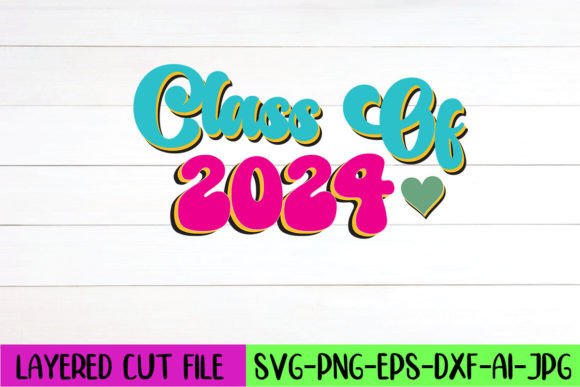
Class of 2024 Retro SVG Design Review
As a designer who spends half my life staring at stitch plots and the other half worrying about thread tension, I don’t just buy digital files—I vet them. When Class of 2024 Retro SVG Design landed on my desk, I didn’t immediately think about sales numbers or Etsy algorithms. I thought about the needle. I thought about how those curves would translate from a flat vector into three-dimensional texture on fabric. The market is flooded with graduation graphics, but few manage to balance nostalgia with technical viability. This file promises a specific aesthetic, and after putting it through its paces in both digital mockups and actual embroidery software, here is my honest take on whether it belongs in your production queue.
First Impressions: Mood and Visual Personality
The moment you open the layered file, the intent is clear. This isn’t trying to be minimalist corporate chic; it is leaning hard into a vintage, nostalgic vibe that resonates strongly with the Class of 2024 demographic. The retro styling suggests warmth, celebration, and a touch of whimsy. From a design perspective, the layout feels balanced. It has enough visual weight to stand alone on a garment without looking lost, yet it retains enough negative space to allow for clean stitching.
What strikes me most is the "handmade" feel preserved in the vector lines. Too many modern designs look sterile or overly geometric, which can result in stiff, mechanical-looking embroidery. This design retains organic flow. It screams personalized gift rather than mass-produced merchandise. For crafters and small business owners, this distinction is crucial. Customers today are buying the story behind the item as much as the item itself. This design tells a story of milestone achievement wrapped in comfortable, familiar aesthetics.
Real-World Application: Where It Shines
I’ve been testing this design across several common product categories to see where it fits best. The versatility here is impressive, but some applications will yield better results than others.
- Custom Apparel and Sweatshirts: This is the sweet spot. Whether you are creating a cozy crewneck sweatshirt for a graduate’s family or a lightweight t-shirt for a campus event, the design scales beautifully. On a heavy cotton sweatshirt, the retro elements pop against the textured weave. It works exceptionally well for sweatshirt embroidery because the thicker fabric supports the design’s visual density without buckling.
- Tote Bags and Canvas Goods: A tote bag design needs to be bold enough to read from a distance. This graphic delivers. The contrast between the retro shapes and standard canvas textures creates a high-end boutique look. It elevates a simple canvas bag into a keepsake item.
- Baby and Nursery Items: Don’t overlook the potential for baby embroidery. Graduation often marks the end of one chapter and the beginning of another. Using this motif on a baby blanket or onesie for a newborn sibling captures that "big sister/brother" sentiment perfectly. The soft retro tones blend well with nursery palettes.
- Holiday and Gift Markets: In the context of holiday embroidery, specifically around May/June graduation season, this design becomes a top-tier seller. It also transitions well into fall if paired with appropriate colorways, making it a year-round asset for your craft business.
Technical Execution and Stitching Considerations
Here is where the rubber meets the road. As an experienced reviewer, I have to address the technical realities of converting this digital embroidery file into a stitched reality. The package includes multiple formats—SVG, PNG, EPS, AI, JPG, and DXF—which is excellent for compatibility with Adobe Illustrator, Cricut, and Silhouette Studio. However, the quality of the final stitch depends entirely on how you digitize or prepare these layers.
When preparing this for machine embroidery, pay close attention to the stitch density. Retro designs often feature thick outlines or blocky fills. If your machine pushes too much thread through delicate fabrics, you risk puckering. I recommend testing the design on scrap fabric first, specifically checking how the stabilizer interacts with the base material. For stretchy knits, a cut-away stabilizer is non-negotiable to maintain shape over time.
Consider the type of stitches you plan to use. While the vector doesn't dictate the stitch type, the design’s geometry lends itself well to a combination of satin stitch for crisp borders and fill stitch for solid areas. If you are aiming for a more subtle look, a running stitch outline can add a charming, hand-quilted feel that complements the retro theme. Just ensure your thread colors provide sufficient contrast. On dark fabrics, light threads may get lost in the background texture, so always test your color palette against the actual garment before committing to a full run.
Where to Exercise Caution
No design is perfect for every scenario. There are specific situations where Class of 2024 Retro SVG Design might struggle:
- Small Hoop Sizes: If you are working with tiny hoops (under 4x4 inches), fine details may become muddy. The eye cannot resolve intricate retro patterns at that scale when stitched.
- Textured Fabrics: Heavily textured materials like boucle or loose-weave linen can obscure the design’s edges. Stick to smooth cottons, polyesters, or blends for the crispest finish.
- Curved Surfaces: Applying this to caps or hats requires careful mapping. The flat vector must be warped correctly to follow the curve of the cap front, or the text and shapes will look distorted.
- Dense Stitch Areas: Avoid placing dense fill sections directly adjacent to each other without adequate spacing. This can lead to needle breakage or thread jams, especially on older machines.
Commercial Viability and Brand Consistency
For Etsy sellers and small shop owners, the value of this design extends beyond the physical product. It serves as a strong design asset for marketing. The retro aesthetic is highly shareable on social media platforms like Pinterest and Instagram. When you create printable mockups featuring this design, they naturally attract clicks because they evoke emotion.
Furthermore, using a cohesive design language helps build brand consistency. If your shop specializes in nostalgic, heartfelt gifts, incorporating Class of 2024 Retro SVG Design into your lineup reinforces that identity. It signals to buyers that you understand current trends while respecting timeless styles. This builds trust. Buyers are more likely to return to a shop that consistently delivers professional, aesthetically pleasing finished products.
Final Verdict
Class of 2024 Retro SVG Design is a robust, versatile addition to any designer’s library. It bridges the gap between artistic appeal and technical functionality. It is not just a graphic; it is a solution for makers looking to create meaningful, sellable items. Whether you are producing a single custom piece for a client or scaling up for a craft fair booth, this design offers the reliability and charm needed to succeed.
My advice? Do not just import and expect perfection. Treat it as a starting point. Adjust the colors, experiment with different threads, and respect the fabric limitations. By doing so, you will transform this vector into a tangible memory that customers will cherish long after the diploma is framed. For anyone in the graphics and crafts industry looking to expand their embroidery project offerings, this is a smart, practical investment.