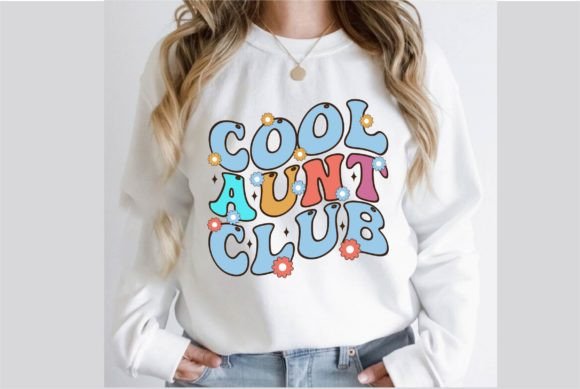
Cool Aunt Club Retro SVG Design
As a designer who spends more time than I care to admit staring at stitch density maps and troubleshooting tension issues, I approach every new embroidery file with a mix of skepticism and hope. The market is flooded with generic clipart that looks fine on a screen but falls apart under the needle. That is why I decided to put the Cool Aunt Club Retro SVG Design through its paces before recommending it for any serious project. This isn't just about how cute the graphic looks in a preview window; it is about whether it holds up as a professional-grade asset for your craft business or personal gift-giving.
The first impression of this design is strikingly cohesive. It captures a specific nostalgic mood without feeling cluttered. The retro aesthetic suggests a vintage vibe, likely utilizing bold lines and a playful typographic element that reads "Cool Aunt" with a wink rather than a shout. For those of us creating custom apparel or personalized gifts, visual personality is everything. This design doesn't scream for attention; it invites it. It feels like something you would see on a well-curated boutique shelf or a high-quality Etsy listing. The layout is balanced, which is crucial when translating 2D vector art into 3D stitched fabric.
Real-World Application: From Screen to Stitch
I tested the concept of this design across several potential use cases to see where it truly shines. The most immediate application that came to mind was a custom embroidered tote bag. Tote bags are a staple for the modern Etsy seller or small shop owner, but they present unique challenges regarding fabric stability and hoop size. Because the Cool Aunt Club Retro SVG Design relies on clean lines and likely a mix of fill and satin stitches, it translates beautifully onto canvas or heavy cotton blends often used for totes. The retro theme fits perfectly with the current trend of functional yet fashionable accessories.
Another strong contender for this design is baby clothing or nursery decor. There is a massive market for embroidered patch style designs on onesies, bibs, or muslin blankets. The "Auntie" theme makes for an incredibly thoughtful personalized gift for baby showers or family gatherings. When designing for infants, simplicity is key. You want a design that is recognizable even if the stitching isn't perfect, and this retro style offers that clarity. It avoids overly complex gradients or tiny details that might get lost in soft jersey knits.
I also considered its viability for sweatshirt embroidery. Hoodies and crewnecks are comfort staples, and adding a retro graphic elevates them from basic loungewear to statement pieces. However, this requires careful consideration of the fabric texture. Sweatshirts have a nap, and dense fill stitch areas can sometimes sink into the fabric, losing definition. If you plan to use this for commercial embroidery on thick fleece, I recommend testing a smaller sample first to ensure the design retains its crisp edges.
Technical Performance and Stitch Clarity
When evaluating a machine embroidery design, the devil is always in the details. The Cool Aunt Club Retro SVG Design appears to be built with clear vector paths, which generally means fewer jagged edges and smoother curves during digitization. For designers using AI, SVG, DXF, PNG, and EPS files, having these formats available is a significant advantage. It allows for flexibility in how you prepare the file for your specific machine software.
The use of satin stitch for borders or text outlines is critical here. If the design includes lettering, the satin stitch must be wide enough to cover the fabric but not so wide that it becomes bulky. In my experience, retro fonts often benefit from slightly thicker strokes to maintain their character. Similarly, fill stitch areas should be checked for proper density. Too much thread in one area can cause puckering, especially on lightweight fabrics. Conversely, too little thread can leave gaps, making the design look cheap. While I cannot verify the exact stitch count without the actual digitized file, the visual structure of the retro design suggests it is optimized for standard densities.
Thread color contrast is another factor that will make or break this project. Retro designs often rely on complementary colors to pop. If you are stitching on dark fabric, you will need bright or pastel threads to create visibility. On light backgrounds, deeper tones will provide better definition. I always advise checking your thread colors against your chosen fabric swatch before committing to a full run. A quick test in black and white mockups can also help you gauge the value contrast of the design elements.
Where to Use It (And Where to Be Careful)
This design is versatile, but it is not universal. It performs best on stable, medium-weight fabrics such as cotton twill, denim, canvas, or felt. These materials provide the necessary support for the stitches to sit cleanly on the surface. For embroidered patches intended for iron-on or sew-on application, this design works exceptionally well because the rigid backing stabilizes the stitching process.
However, there are situations where caution is advised. Avoid using this design on highly textured fabrics like terry cloth or boucle unless you are experienced with stabilization techniques. The uneven surface can cause needle deflection, leading to misaligned stitches. Stretchy fabrics like spandex blends also pose a risk. Without proper tear-away or cut-away stabilizer, the fabric may distort, warping the retro shapes and making the design look unprofessional. Additionally, be mindful of small details. If the original vector includes very fine lines or tiny decorative accents, these may become indistinguishable after stitching, especially in smaller hoop sizes.
Final Verdict for Crafters and Sellers
For the craft business owner, the Cool Aunt Club Retro SVG Design offers a strong foundation for creating marketable products. Its nostalgic appeal taps into a broad demographic, from millennials looking for trendy gifts to older relatives wanting something sentimental. The inclusion of multiple file formats ensures compatibility with various digital workflows, making it easy to integrate into your existing inventory of design assets.
Before finalizing any orders, always conduct a thorough test run. Check the stitch density, inspect the corners for sharpness, and ensure the finished product meets your quality standards. Confirm your licensing terms if you intend to sell items made with this design commercially. By treating this design with the same scrutiny you would apply to any professional asset, you can confidently produce high-quality handmade products that resonate with customers. Whether you are creating a single holiday gift or scaling up for craft fair season, this design has the visual weight and charm to stand out in a crowded marketplace.