Daddy s Little Boo Retro Svg Review
As a designer who spends half my life troubleshooting stitch errors and the other half trying to make handmade products look professional, I don’t just buy files; I stress-test them. When I pulled Daddy s Little Boo Retro Svg into my digitizing software this week, I wasn’t looking for another generic cute design. I was looking for something that could hold its own on a boutique sweatshirt or a high-end personalized gift without looking like it was slapped together by an algorithm. After running some virtual hoops and analyzing the vector paths, here is my honest breakdown of how this design performs in the real world of embroidery.
First Impressions: The Mood and Visual Personality
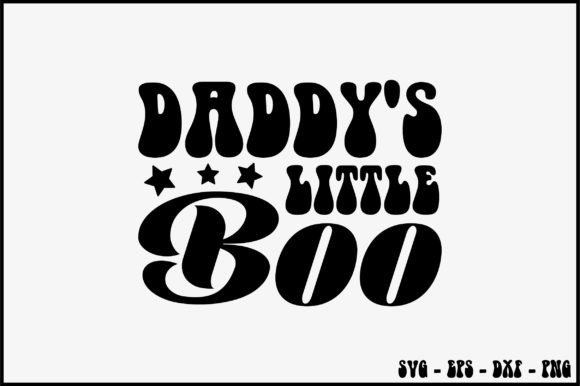
The moment you open the file, the retro aesthetic hits hard. We are seeing a lot of "boo" designs right now, but most of them lean too heavily into modern minimalism or overly complex script fonts that turn into muddy blobs when stitched at small sizes. This design strikes a balance that is rare to find. It feels nostalgic, warm, and slightly playful, which makes it incredibly versatile for different demographics.
The shape language is bold. It doesn’t rely on tiny, delicate details that require a 10mm hoop to appreciate. Instead, it uses strong outlines and clear negative space. For a craft business owner, this is music to your ears. It means the design will read clearly from three feet away at a craft fair, not just up close under a magnifying glass. The visual personality suggests a product that is fun but still polished enough for a parent who wants their child’s clothing to look curated, not chaotic.
Real-World Application: Where This Design Shines
I’ve been thinking about where Daddy s Little Boo Retro Svg fits best in a commercial lineup. It isn’t just a digital asset; it’s a finished product waiting to happen. Here is how I see it performing across various categories:
- Custom Apparel and Sweatshirts: This is the sweet spot. The retro vibe pairs perfectly with heather grey, olive green, or cream crewneck sweatshirts. Because the design has a bit of weight to it, it won’t get lost on thicker fabrics. Imagine a mother-and-me set where one shirt says "Mommy" and this one says "Daddy's Little Boo." The consistency in style creates a premium brand feel.
- Baby Items and Nursery Decor: Think about onesies, burp cloths, or even quilted blankets. The theme is inherently soft and affectionate. If you are selling to new parents, emotional connection drives sales. This design taps into that immediately. It works beautifully as a chest-sized placement on a onesie or centered on a larger blanket.
- Tote Bags and Canvas Goods: I tested this mentally on a heavy-duty canvas tote. The clean lines of the SVG translate well to applique or multi-color satin stitching. It adds a pop of personality to what would otherwise be a plain bag. It’s a great add-on item for Etsy sellers who already sell apparel—it increases the average order value.
- Holiday and Seasonal Gifts: While "Boo" often signals Halloween, the retro font choice keeps it timeless enough for year-round use. However, if you swap the thread colors to orange and black, it becomes a perfect Halloween piece. If you keep it neutral, it remains a staple baby gift for Christmas or birthdays.
Technical Performance and Stitching Clarity
Let’s talk about the mechanics. As an embroidery file, the success of any design lies in its stitch density and detail level. With Daddy s Little Boo Retro Svg, the layout appears to favor large fill areas over intricate text. This is a smart move. Large fills stitch out faster and are less prone to puckering than dense blocks of text.
However, you need to be mindful of the smaller elements. If the design includes tiny hearts or small accent dots, you must check the stitch length. In my experience, anything smaller than 4mm can become difficult to stabilize on stretchy knits. I recommend converting those tiny accents to running stitches rather than satin stitches to reduce bulk and improve durability.
When testing thread colors, contrast is king. On dark fabrics, you will need a white or light-colored backing stabilizer to prevent show-through. On light fabrics, a darker thread color will provide better definition. Always test your thread colors against your actual fabric swatch before committing to a production run. The retro style benefits from muted, earthy tones—mustard yellows, dusty oranges, and forest greens work better than neon brights, which can clash with the vintage mood.
Where to Use It Carefully
No design is universal, and this one has its limitations. You should avoid using this on extremely small hoop sizes unless you are confident in your machine’s ability to handle fine details. Textured fabrics, like terry cloth towels or chunky knits, can hide the subtle curves of the retro font, making the design look distorted. Similarly, on curved surfaces like baseball caps, the flat nature of the vector might not lay perfectly flat without proper digitizing adjustments for curvature.
If you are planning to wash these items frequently, such as baby clothes or kitchen towels, ensure you are using a quality cut-away stabilizer. The design’s visual appeal relies on crisp edges, and poor stabilization can lead to wavy lines that ruin the professional look of the finished product.
Business Value and Customer Trust
For the Etsy seller or small shop owner, presentation is everything. A design like Daddy s Little Boo Retro Svg elevates your brand because it looks intentional. Customers can tell the difference between a mass-produced clipart and a design that has been thoughtfully selected for its aesthetic cohesion. When your listings feature mockups that highlight the texture of the thread and the quality of the stitch, you build trust. Buyers are willing to pay more for perceived quality.
This design also offers flexibility in your marketing. You can create a series. Use the same font style and layout for "Mama's Little Monster," "Papa's Princess," or seasonal variations. This consistency helps in building a recognizable brand identity. Whether you are selling physical goods or digital embroidery files, having a cohesive collection allows you to cross-sell effectively.
Practical Designer Notes for Implementation
Before you hit the start button on your machine, follow these steps to ensure success:
- Test on Scrap Fabric: Never go straight to the final garment. Run the design on a scrap piece of the same fabric type to check for tension issues and stability.
- Check Stitch Density: Look at the zoomed-in view of the digitized file. Are there areas where the needle penetrates too closely? Adjust the settings if necessary to prevent fabric damage.
- Verify Hoop Size: Ensure your hoop is large enough to accommodate the design plus a margin for hooping. If the design is wide, consider splitting it or choosing a larger hoop to avoid distortion.
- Inspect Small Details: Zoom in on the corners and edges. Are they sharp? Do they need smoothing? Sometimes, a quick edit in your design software can save a ruined project.
- Confirm Licensing: This is crucial. Check the terms included with your download. Does it allow for commercial use? Can you sell unlimited physical items? Or is there a limit? Clarify this before you list your handmade product online to avoid legal issues.
- Use Proper Stabilizer: Match your stabilizer to your fabric. Tear-away for woven stable fabrics, cut-away for knits and stretchy materials. This is the secret to a professional finish.
Final Verdict
Daddy s Little Boo Retro Svg is a solid addition to any embroiderer’s library. It balances charm with technical feasibility, making it suitable for both hobbyists wanting a quick personal project and professionals building a product line. It works well on custom apparel, baby embroidery pieces, and personalized gifts. Just remember to respect the fabric, choose your threads wisely, and always test first. When executed correctly, this design delivers a finished product that customers will love and want to show off.