Review: This Is How We Roll Retro Svg Design
As a designer who spends half my life staring at stitch grids and the other half worrying about thread tension, I don’t just look at a design file; I look at how it will behave on fabric. When I first pulled up This is How We Roll Retro Svg Design, my immediate reaction was one of recognition. It taps into that specific groovy aesthetic that has been dominating craft fairs and Etsy listings for the last few years, but the question remains: does it translate well from a vector screen to a physical embroidery hoop?
I evaluated this graphic not just as a pretty picture, but as a potential asset for real-world projects. Whether you are an Etsy seller looking to expand your boutique collection or a hobbyist making a personalized gift, understanding the mechanics behind the art is crucial. Here is my practical breakdown of how this retro piece performs in actual embroidery work.
The Visual Personality and First Impressions
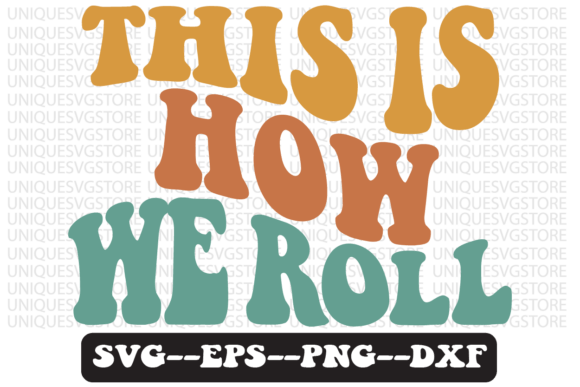
The mood of This is How We Roll Retro Svg Design is undeniably nostalgic. It carries that warm, vintage energy that works exceptionally well for apparel and lifestyle products. The layout feels balanced, which is the first thing I check when reviewing any machine embroidery design. If the composition is off-center or cluttered, it creates visual noise that doesn’t hold up well when stitched out, especially if the detail level is high.
From a branding perspective, this design screams "handmade product" with a modern twist. It isn’t trying too hard. For small business owners, this kind of understated confidence is valuable. It suggests quality without screaming for attention. When you place this on a neutral background, like a cream-colored tote bag or a soft grey sweatshirt, the retro theme pops without clashing. It feels like a design that belongs in a curated shop rather than a mass-produced warehouse.
Real-World Application: Where This Design Shines
I ran through several mental scenarios to see where This is How We Roll Retro Svg Design would fit best. The versatility here is its strongest suit. Because the source material is described as a printable PNG and SVG, it opens up doors for both direct embroidery and sublimation printing, giving you multiple revenue streams.
- Custom Apparel: This is the obvious winner. On a long sleeve tee or a hoodie, the retro vibe aligns perfectly with current fashion trends. It works as a chest pocket placement or a larger back print. The design’s shape likely holds up well against the natural drape of cotton blends.
- Baby Embroidery: I immediately thought of onesies and baby blankets. The phrase "This Is How We Roll" is playful enough for parents who want something witty but cute for their little ones. A soft pastel colorway on a onesie could be a top-selling item during holiday seasons.
- Tote Bag Design: Canvas bags are a staple for crafters. This design offers a great balance of text and graphic elements that won’t get lost on a heavy canvas texture. It adds character to a simple accessory, turning it into a statement piece.
- Holiday Embryery and Gifts: Because the tone is lighthearted, it fits well into gift-giving occasions. Think of it as a fun addition to a holiday care package or a birthday present for someone who appreciates vintage aesthetics.
Technical Considerations for Embroidery Success
While the concept is strong, execution is everything. As an experienced reviewer, I have to point out where things can go wrong. Even the best design assets can fail if the technical setup is ignored.
Stitch Density and Detail: You must inspect the small details before stitching. If the design relies on tiny lettering or intricate curves, ensure your machine can handle the stitch density. High-density areas can cause puckering, especially on thin fabrics. If the original SVG has fine lines, consider simplifying them into a satin stitch or fill stitch pattern to ensure clarity. A muddy stitch job kills the professional look of any finished product.
Fabric Texture and Stability: The choice of fabric dramatically affects the outcome. On stretchy knits, like t-shirt material, you absolutely need a proper stabilizer to prevent distortion. On textured fabrics, such as heavy denim or boucle wool, smaller details might disappear into the weave. In these cases, a bold outline or applique technique might serve the design better than standard satin stitches.
Thread Color Contrast: Don’t assume the colors in the digital preview will match your threads exactly. Always test your thread colors against your fabric. A light retro yellow might vanish on a white shirt, while a dark navy might get lost on black fabric. Checking your design in a black-and-white mockup can help you visualize the contrast levels accurately.
Where to Use With Caution
There are specific scenarios where this design requires extra scrutiny:
- Small Hoop Sizes: If you are attempting to stitch this on a very small area, such as a cap front or a tiny patch, the details may become illegible. Ensure the hoop size accommodates the full width of the design without cutting off essential elements.
- Curved Surfaces: Stitching on caps or curved hat panels introduces distortion. The text "This Is How We Roll" needs to remain readable. Warping can make the message confusing, so practice on scrap fabric first.
- Dense Stitch Areas: Avoid placing dense fill stitches near delicate edges or on garments that undergo frequent washing, as this can lead to pilling or wear over time.
Impact on Product Value and Customer Trust
In the world of handmade goods, presentation is part of the product. A clean, well-executed embroidery project signals professionalism. When a customer sees that the stitching is even, the threads are taut, and the design is centered, they perceive higher value. This is How We Roll Retro Svg Design, when executed correctly, elevates a basic item into a premium personalized gift.
For commercial embroidery businesses, using a trendy yet timeless design helps maintain brand consistency. It appeals to buyers who want unique items that still feel familiar. It builds trust because it looks intentional and polished, rather than rushed or generic.
Practical Designer Notes Before You Start
Before you commit to a large production run or list the item on your shop, follow these steps:
- Test on Scrap Fabric: Never skip this step. It saves money and prevents mistakes.
- Check Licensing: Confirm whether you have the rights to sell finished items made from this digital embroidery file. Commercial use permissions vary, and protecting your craft business is vital.
- Review the File Format: Since the description mentions SVG and PNG, ensure you have the correct conversion process if you are digitizing it yourself, or verify compatibility if you are using a pre-digitized version.
- Inspect Corners and Edges: Look for any jagged edges in the vector that might cause issues during the digitization phase.
Ultimately, This is How We Roll Retro Svg Design is a solid choice for designers looking to add a touch of retro charm to their portfolio. It balances style with usability, making it suitable for a wide range of applications from sweatshirt embroidery to wall art. By paying attention to the technical details—like stabilizer choice, thread contrast, and stitch density—you can turn this graphic into a standout small shop product that customers will love.